New York City’s restaurant scene continues to evolve rapidly, and payment security matters more than ever. Modern establishments accept multiple payment types to ensure convenience and protection. Many consumers who prefer secure online transactions, similar to those used at top Cashlib casinos for real money, appreciate these advanced payment protections in restaurants too.
From quick delivery services to seamless reservation systems, restaurants are prioritizing customer experience. Payment security has also become a major focus area.
Delivery Services Revolution
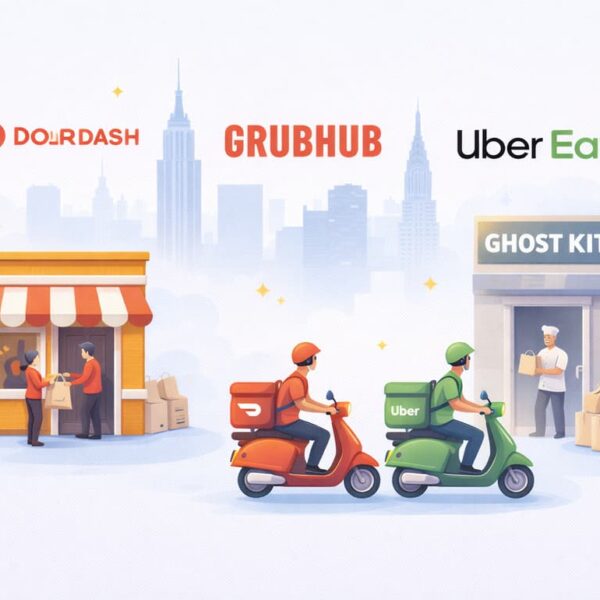
Food delivery has transformed how New Yorkers experience dining. Major platforms like DoorDash, Grubhub, and Uber Eats dominate the market.
Many restaurants now offer their own delivery services. This allows them to maintain better control over food quality and customer relationships. Direct ordering also helps restaurants avoid hefty commission fees.
Ghost kitchens have emerged as another trend. These delivery-only establishments operate without traditional dining rooms. They focus solely on preparing food for takeout and delivery orders.
The pandemic accelerated these changes significantly. Many establishments that never offered delivery before had to adapt quickly. This shift has permanently changed consumer expectations.
Speed and Efficiency
Customers in New York expect fast delivery times. Most services promise delivery within 30-45 minutes during peak hours. Restaurants use advanced tracking systems to monitor order progress. Real-time updates keep customers informed about the status of their food.
Some establishments have invested in their own delivery fleets. This gives them greater control over timing and food-handling procedures.
Making Reservations Easy
Online reservation systems have simplified the booking process. Popular platforms like OpenTable and Resy handle millions of bookings annually.
These systems offer real-time availability updates. Customers can see exactly which time slots are open. Some restaurants also offer waitlist features for fully booked evenings.
Mobile apps have made last-minute reservations more accessible. Diners can book tables while walking down the street. This flexibility appeals to the city’s fast-paced lifestyle.
Smart Booking Features
Many restaurants now offer special booking options. Customers can request specific tables or dietary accommodations during the reservation process.
Some establishments use dynamic pricing for peak dining times. Popular slots may cost more than off-peak hours. This helps manage demand and maximizes restaurant revenue.
Cancellation policies have become more structured. Many restaurants require credit card holds to reduce no-show incidents.
Secure Payment Methods
Payment security remains a top priority for restaurants and customers alike. Modern establishments accept multiple payment types to ensure convenience.
Contactless payments gained massive popularity in recent years. Tap-to-pay credit cards and mobile wallet options are now standard. These secure payment methods have become essential for building customer trust.
Digital payment processors provide enhanced fraud protection. Advanced encryption keeps customer financial data safe during transactions.
Alternative payment solutions:
- Some restaurants accept cryptocurrency payments. Bitcoin and other digital currencies appeal to tech-savvy customers. However, this remains a niche option in most establishments.
- Buy-now-pay-later services have entered the restaurant space. Companies like Klarna and Affirm allow customers to split large dining bills into installments.
- Gift cards and loyalty program credits offer additional payment flexibility. Many restaurants have digitized these systems for easier management.
Popular Restaurant Districts
Manhattan’s dining districts each offer unique experiences. The East Village offers diverse international cuisine. SoHo features upscale establishments with sophisticated reservation systems.
Brooklyn has emerged as a major culinary destination. Williamsburg and Park Slope offer trendy restaurants with innovative delivery concepts. Many of these establishments prioritize sustainable packaging for takeout orders.
Queens showcases authentic ethnic cuisines. Flushing and Astoria provide exceptional Asian and Mediterranean options respectively. These neighborhoods often feature family-owned restaurants with personal service approaches.
Technology Changes Dining
Artificial intelligence helps restaurants optimize their operations. Predictive analytics forecast busy periods and help manage staff scheduling. Smart inventory systems reduce food waste and improve cost management.
QR code menus became widespread in recent years. Customers scan codes to access digital menus on their phones. This reduces physical contact and allows for easy menu updates.
Kitchen display systems have replaced traditional paper tickets. Orders flow directly from apps to kitchen screens. This streamlines the cooking process and reduces errors.
Restaurants collect valuable data from their digital platforms. Order history helps them understand customer preferences. This information guides menu development and marketing strategies.
Personalized recommendations increase order values. Apps suggest dishes based on previous purchases and dietary restrictions. This creates a more tailored dining experience.
Future of Restaurant Services
Voice ordering technology is emerging in some establishments. Customers can place orders using smart speakers or voice assistants. This represents the next frontier in convenience for ordering.
Drone delivery pilots are being tested in select areas. While still experimental, this could revolutionize food delivery speed. Regulatory approval remains the biggest hurdle for widespread adoption.
Augmented reality menus may soon become common. Customers could visualize dishes before ordering. This technology would be particularly useful for complex or unfamiliar cuisines.
The restaurant industry continues adapting to changing customer expectations. Technology will keep driving improvements in delivery, reservations, and payment systems.