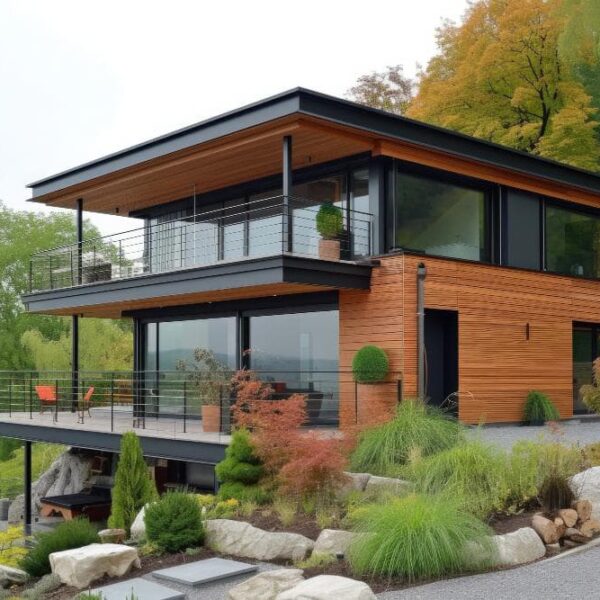
A modern home does not need to look rustic to feel connected to nature. The strongest interiors often combine clean lines, practical storage, natural textures, soft daylight, and a quieter visual rhythm. This is especially relevant for people who live with constant screens, busy schedules, and homes that must support work, rest, family routines, and personal recovery at the same time.
Nature-first interior design is not about filling every room with wood, plants, and neutral colors. It is about choosing design elements that make the home easier to live in: better light, healthier materials, good airflow, controlled humidity, softer acoustics, and a layout that supports natural movement. When these parts work together, the result feels calm without becoming empty.
The idea is closely related to biophilic design, which focuses on strengthening the connection between people and nature inside built environments. In a private home, this connection can be direct, like a garden view, or subtle, like a stone surface, linen curtain, warm wood floor, or morning light falling across a breakfast table.
Start With Light Before You Choose the Style
Light should be one of the first design decisions, not the last. A color palette, sofa fabric, wall finish, or floor stain can look completely different depending on how the room receives daylight. A soft beige may feel warm in one room and dull in another. A dark green wall can feel elegant in a sunlit dining room but heavy in a narrow hallway.
A nature-first room needs daylight control as much as daylight access. Large windows can be beautiful, but glare, overheating, and lack of privacy can make them uncomfortable. Sheer curtains, woven shades, adjustable blinds, and layered treatments allow the room to change during the day rather than stay locked in one condition.
Your Wild Home already covers this topic well in its article on maximising natural light. For a more technical perspective, the U.S. Department of Energy explains how window coverings can help manage comfort, energy use, and solar heat gain. That makes window treatment selection both a design choice and a comfort decision.
Use Natural Materials With Purpose
Natural materials are most effective when they have a clear role. Wood can add warmth, cork can improve softness underfoot, wool can help with sound, stone can bring visual weight, and clay or lime-based wall finishes can create depth. The mistake is using too many materials simply because they look organic.
A balanced room usually needs a small material system. Choose one main material, one supporting material, and one contrast. For example, oak flooring can be paired with linen curtains and black metal lighting. A stone coffee table can work with a wool rug and pale plaster walls. A cork floor can sit comfortably beside painted cabinetry and ceramic accessories.
This connects directly to Your Wild Home’s guide on interior design textures. Texture should not be random decoration. It should answer a practical need: warmth, durability, grip, sound absorption, softness, or visual balance.
Choose Colors That Support the Room’s Function
Nature-inspired color does not mean every room should be beige, green, or brown. Natural palettes can include chalk white, mushroom gray, muted blue, clay red, charcoal, moss, sand, stone, faded yellow, and deep forest tones. The important part is choosing colors that match the activity of the room.
Bedrooms often benefit from quieter colors, lower contrast, and soft transitions between surfaces. Kitchens and dining rooms can handle more energy, especially through warm accents, natural wood, or earthy tile. Living rooms need enough depth to feel settled but enough lightness to remain comfortable across the day.
The site’s article on colour psychology in interior design is a useful internal reference here. Color is not only a visual choice; it influences whether a room feels active, restful, intimate, spacious, or focused.
Keep Digital Noise Out of Restorative Zones
A calm home is not only about materials. It is also about the type of attention each room encourages. Bedrooms, reading corners, dining areas, and bathrooms often become less restful when they are filled with screens, chargers, notifications, and visual clutter. A nature-first design should help people separate recovery spaces from constant digital stimulation.
This does not mean technology must disappear. It means it should be integrated with intention. Charging drawers, closed media cabinets, cable management, and low-profile devices can keep modern convenience without allowing screens to dominate every view.
In broader lifestyle publishing, digital entertainment topics can appear in unexpected places, including references such as online crypto casinos, but inside the home itself, the better design question is where digital activity belongs and where it should be limited. A restorative bedroom or quiet lounge usually benefits from fewer attention-grabbing elements.
Plan Plants as Part of the Architecture
Plants are often the most visible sign of a nature-focused home, but they should not be used as filler. A large plant can soften a corner, balance a tall cabinet, or frame a window. A small group of plants can make a shelf feel more alive. A trailing plant can relax a strict vertical line.
The right plant depends on light, humidity, maintenance, and household safety. A plant placed in the wrong position becomes a problem rather than a design feature. Before buying plants, observe the room’s light during the day and decide whether the plant should act as a focal point, a softening element, or a small layer of texture.
For practical plant care, university extension resources such as this guide to indoor plants can help homeowners match plants to indoor conditions. In design terms, healthy plants make a room feel cared for; struggling plants make even an expensive interior feel neglected.
Make Moisture Control Part of the Design
Natural materials are sensitive to moisture. Wood, cork, paper shades, natural-fiber rugs, woven baskets, and some wall finishes can all be affected by dampness. That is why moisture control should be considered early, especially in bathrooms, basements, laundry rooms, kitchens, and humid climates.
A beautiful bathroom with poor ventilation will not stay beautiful for long. A basement with organic materials but no humidity control may develop musty odors. A closet packed tightly against an exterior wall can trap condensation. These are design issues, not just maintenance issues.
Your Wild Home has already covered basement conditions in its article on whole-house dehumidifier use. The EPA also explains why mold and moisture prevention depends on controlling indoor humidity and drying wet areas quickly. In a nature-first home, natural materials should be supported by practical building conditions.
Think About Indoor Air Quality
A home can look natural while still feeling uncomfortable if the air quality is poor. Paints, adhesives, synthetic rugs, composite furniture, new flooring, and strong fragrances can all affect how a room feels after renovation. A calm interior should not rely only on appearance; it should also feel fresh and breathable.
When choosing finishes, check product information for emissions, curing times, ventilation needs, and cleaning instructions. Low-odor products are not automatically problem-free, but they can be part of a more careful material strategy. It is also wise to ventilate during installation and avoid bringing too many new high-odor products into the home at once.
The EPA’s information on volatile organic compounds is useful here because it supports the idea that material selection can affect indoor air quality. This is especially important in bedrooms, nurseries, home offices, and smaller apartments with limited airflow.
Use Storage to Protect the Calm
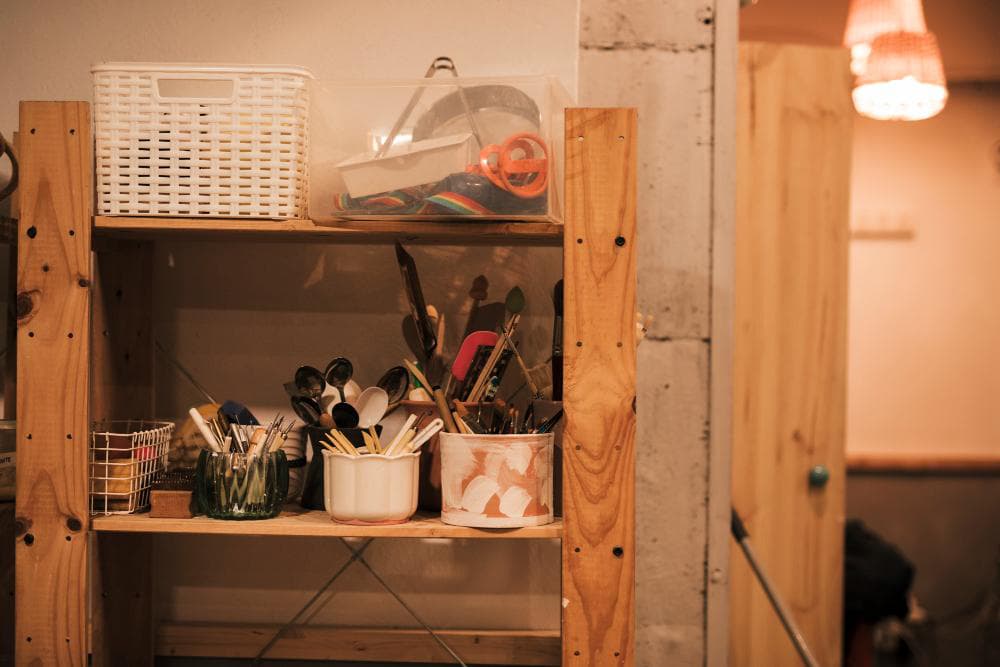
Nature-first interiors often look minimal, but they only stay calm when storage is planned well. Open shelves, baskets, ceramics, plants, books, and textiles can create warmth, but too many visible items quickly turn the room into visual noise.
Good storage separates daily-use objects from display objects. Closed cabinets can hold cables, cleaning products, documents, tools, and spare household items. Open shelves should be reserved for objects that genuinely contribute to the room: books, handmade pieces, framed art, plants, or materials with personal meaning.
A useful storage plan might look like this:
|
Area |
What to Hide |
What to Keep Visible |
|
Entryway |
Shoes, bags, cleaning items, umbrellas |
One tray, mirror, bench, seasonal flowers |
|
Living room |
Cables, remotes, paperwork, spare blankets |
Books, ceramics, plants, framed pieces |
|
Bedroom |
Laundry, chargers, extra bedding |
A lamp, one book, soft textile, small plant |
|
Kitchen |
Packaging, bulk items, appliances used rarely |
Wood boards, fruit bowl, selected ceramics |
|
Bathroom |
Cleaning supplies, backup products |
Hand towel, soap, one natural accent |
This type of storage keeps the home relaxed without making it sterile. The goal is not to remove personality, but to give every visible object enough space to matter.
Design Movement Through the Room
A nature-first home should feel easy to move through. This depends on furniture placement as much as style. A room with beautiful materials can still feel tense if chairs block pathways, tables are too large, or storage doors cannot open properly.
Before finalizing furniture, map the daily routes: entry to kitchen, sofa to balcony, bed to wardrobe, bathroom to laundry, desk to storage. These paths should feel natural and open. In smaller homes, furniture with raised legs, rounded corners, lighter profiles, and hidden storage can make movement easier.
Organic shapes can help, but they should be used carefully. A round table can improve flow in a compact dining space. A curved armchair can soften a reading corner. A rounded mirror can break up a hard wall. But if every object is curved or irregular, the room may start to feel unfocused.
Create Comfort Through Sound and Texture
Nature-first interiors should sound comfortable, not just look comfortable. Rooms with hard floors, large windows, bare walls, and minimal furniture can echo. This makes conversation sharper, work more tiring, and rest less peaceful.
Textiles are the easiest way to soften sound. Rugs, curtains, upholstered seating, fabric panels, woven wall pieces, and bookshelves can all reduce harsh reflections. These elements also add texture, which supports the natural mood of the space.
A living room may need a large rug and lined curtains. A home office may benefit from cork boards, shelves, and a fabric chair. A bedroom may need heavier curtains, a soft headboard, and layered bedding. These choices are practical, but they also make the room feel more finished.
A Practical Checklist for Nature-First Interiors
Before completing a design plan, ask these questions:
- Does the room receive enough natural light for the chosen colors?
- Are window treatments planned for glare, privacy, and heat?
- Are natural materials suitable for the room’s moisture level?
- Is there enough closed storage to prevent visual clutter?
- Are plants chosen for real light conditions, not just appearance?
- Does the layout support easy movement?
- Are textiles used to soften sound?
- Are high-odor materials avoided or properly ventilated?
- Is there a clear balance between open display and hidden storage?
- Does the room support the way people actually live there?
This checklist helps keep the design grounded. A nature-first home is not only an aesthetic project. It is a practical environment shaped by light, air, texture, storage, movement, and daily use.
Bring the Home Back to Human Scale
The most successful natural interiors do not try to impress at every moment. They give people room to breathe. They use fewer materials with more intention. They allow daylight to change the space. They make storage quiet, plants purposeful, and technology less visually dominant.
This is where modern design and nature-focused thinking can work well together. Clean lines prevent the room from feeling cluttered. Natural textures prevent it from feeling cold. Thoughtful lighting makes it adaptable. Good airflow and moisture control make it healthier to live in.
A home that feels closer to nature does not need to copy the outdoors. It needs to support the same qualities people often seek in nature: calm, rhythm, fresh air, texture, light, and a sense of balance. When those qualities guide the design, the result is more than a styled room. It becomes a place that helps daily life feel lighter.