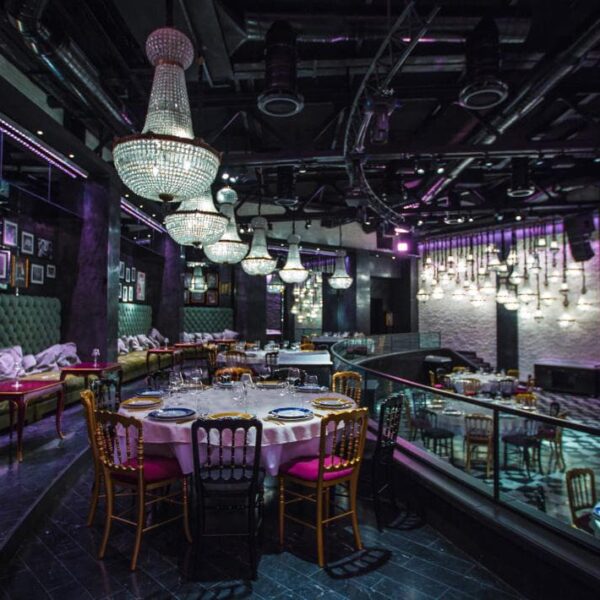
New York State is one of the easiest places in the United States to build a trip around food. The range is wide enough for almost every kind of traveler: polished tasting menus in Manhattan, historic taverns with old city stories, waterfront dining with skyline views, farm-driven restaurants in the Hudson Valley, wine country meals near the Finger Lakes, and casual neighborhood spots that become the real memory of a trip.
A strong restaurant weekend does not need to be built around the most expensive reservation. In fact, the best food trips usually have contrast. One meal can be slow, formal, and carefully paced. Another can be a walk-in lunch at a bakery, market counter, or old tavern. The goal is not to collect famous names, but to understand a place through its dining rooms, ingredients, service style, and local habits.
For a site like Dove-RedTavern, which focuses on New York restaurants, memorable views, Michelin-level dining, historic venues, and upstate food culture, this kind of guide fits naturally. It gives readers a practical way to turn restaurant research into a real itinerary.
Start With the Type of Weekend You Want
Before choosing restaurants, decide what kind of food weekend you are planning. New York City and upstate New York offer very different rhythms. A Manhattan weekend may be built around reservations, walking between neighborhoods, late dinners, cocktail bars, and museums. An upstate weekend may be slower, with scenic drives, wineries, farmers markets, lake views, and restaurants that highlight regional produce.
This decision affects everything: where to stay, when to book, how much travel time to allow, and how many meals should be planned in advance. A common mistake is choosing restaurants first and then discovering they are too far apart or too formal for the pace of the trip.
A good weekend has one clear anchor. That anchor might be a fine dining dinner, a restaurant with a dramatic view, a historic dining room, a chef-driven tasting menu, or a Saturday lunch in a town known for food and wine. Once that main meal is chosen, the rest of the trip can be built around it more naturally.
Balance Famous Restaurants With Local Character
Famous restaurants are famous for a reason, but they are not the whole story. A weekend made only of major names can feel expensive and oddly impersonal. Smaller restaurants, bakeries, taverns, wine bars, and neighborhood cafes often show more of the place itself.
In New York City, this might mean pairing a refined dinner with a morning bagel, a Chinatown lunch, or a relaxed meal in Brooklyn or Queens. In the Hudson Valley, it might mean combining a farm-to-table dinner with a roadside market or a small-town bakery. In the Finger Lakes, a winery lunch or tavern meal can say as much about the region as a formal restaurant.
The best dining itineraries leave room for discovery. Not every meal should be a production. Sometimes the most memorable part of a food trip is the soup ordered on a cold afternoon, the bar seat that opens at the right moment, or the dessert bought from a bakery before the drive home.
Plan Around Geography, Not Just Appetite
New York State can look compact on a map until the driving or subway time begins to matter. Restaurant planning should follow geography. If dinner is in Midtown, lunch should not require a stressful trip to the far edge of another borough unless the journey itself is part of the experience. If a weekend is based in the Hudson Valley, it is better to explore one area well than to race between distant towns.
In New York City, grouping meals by neighborhood creates a smoother trip. A day might center on the Upper West Side and Central Park, Lower Manhattan and the waterfront, or Williamsburg and Greenpoint. Upstate, a route might focus on the Hudson Valley, Saratoga Springs, the Finger Lakes, or Buffalo and nearby towns.
This approach also helps with energy. Food-focused travel can become tiring if every meal requires a reservation, a ride, a wait, and a formal setting. Walking time, weather, parking, and transit all influence how enjoyable the meal feels when you finally sit down.
A Simple Three-Day Restaurant Weekend Structure
The easiest format is a Friday-to-Sunday plan with one major dinner, one scenic or atmospheric meal, and several flexible stops. This structure works for both New York City and upstate trips.
|
Day |
Best Meal Focus |
Why It Works |
|
Friday evening |
Relaxed dinner near the hotel |
Keeps arrival day low-pressure and avoids rushing |
|
Saturday lunch |
Neighborhood classic, market, or casual regional spot |
Leaves room for walking, sightseeing, or wineries |
|
Saturday dinner |
Main reservation or special restaurant |
Gives the weekend a clear centerpiece |
|
Sunday brunch |
Comfortable, local, not too formal |
Ends the trip without making the day feel overplanned |
|
Sunday afternoon |
Bakery, coffee, or takeaway stop |
Adds a final local detail before departure |
This kind of structure prevents the weekend from becoming too heavy. If every meal is large, formal, and expensive, the experience starts to blur. A mix of light, casual, scenic, and serious meals gives each stop more identity.
Think About Views as Part of the Meal
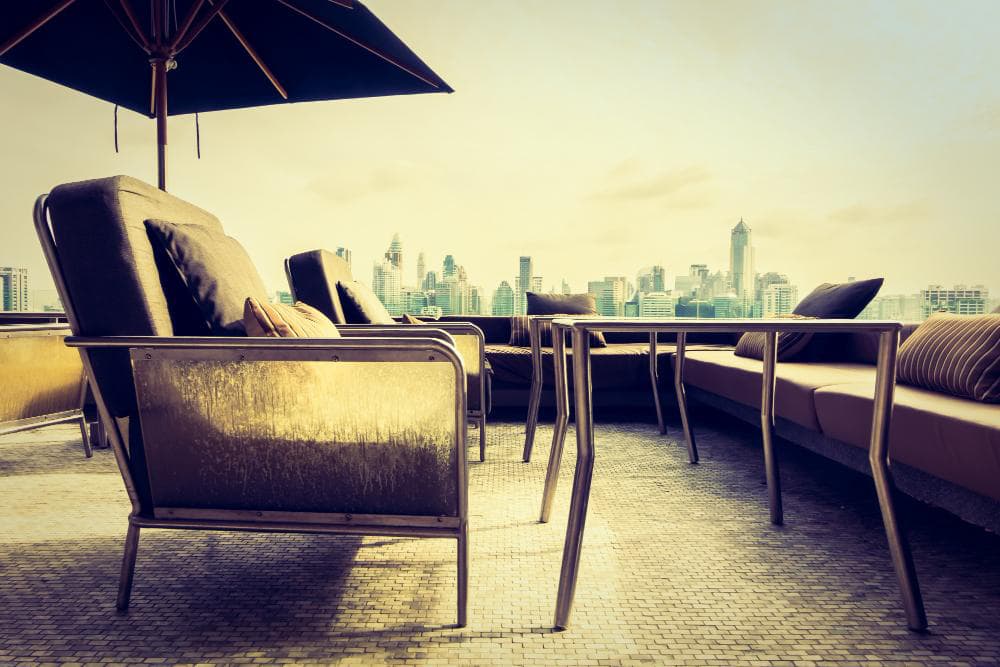
Restaurants with views are a major part of New York dining culture. In the city, a skyline, river, bridge, park, or rooftop can turn dinner into a visual event. Upstate, the view may be a lake, vineyard, mountain ridge, historic street, or quiet garden.
The view should match the occasion. A dramatic skyline restaurant is ideal for a birthday, anniversary, or first-night arrival. A lakeside lunch works better when the pace is slower and daylight can be enjoyed. A restaurant near a park or waterfront can also become part of a larger walking route.
However, a view alone is not enough. A restaurant still needs good pacing, thoughtful service, and food that suits the setting. The most satisfying view restaurants are the ones where the room, menu, and surroundings feel connected. If the view is grand but the meal feels careless, the experience becomes a photo opportunity rather than a real dining memory.
Use Historic Restaurants for Atmosphere
New York has many restaurants and taverns where atmosphere is tied to age, architecture, and local stories. These places can add depth to a weekend because they offer something newer restaurants cannot easily recreate: a sense of continuity.
Historic restaurants are especially useful for travelers who want more than a meal. They can become part of a cultural route, paired with old neighborhoods, theaters, museums, waterfront districts, or landmark streets. The food does not always need to be experimental. In many historic dining rooms, comfort, tradition, and setting are the point.
That said, history should not be used as an excuse for a weak meal. The best historic restaurants respect both memory and modern expectations. They preserve atmosphere while still caring about ingredients, hospitality, and consistency.
Leave Space for Upstate New York
A New York food weekend does not have to mean New York City. Upstate New York has a different kind of appeal, especially for travelers who like slower meals, local wine, seasonal menus, and towns with strong regional identity.
The Hudson Valley is well suited to travelers interested in farm-driven cooking, antique shops, small hotels, and scenic drives. The Finger Lakes are a natural choice for wine, lake views, and relaxed dining. Saratoga Springs offers a polished small-city feel, especially for visitors who enjoy old hotels, walkable streets, and classic restaurants. Buffalo, Rochester, and Syracuse each have their own food traditions, neighborhood places, and casual dining strengths.
Upstate trips work best when the itinerary is not packed too tightly. Driving between towns, stopping for coffee, visiting a market, or taking a walk near the water can be as important as the restaurant reservation itself.
How to Choose Restaurants Without Overplanning
Restaurant research can become overwhelming because there are too many lists, reviews, rankings, and social media posts. A better method is to choose restaurants based on the role they will play in the trip.
Ask a few practical questions:
- Is this meal meant to be the highlight of the weekend or a comfortable supporting stop?
- Does the restaurant fit the neighborhood or region we are visiting that day?
- Will the atmosphere feel right for the time of day?
- Is the menu flexible enough for everyone in the group?
- Does the reservation time allow for travel, weather, and rest?
- Is the restaurant known for food, view, history, service, or convenience?
- Would the weekend still feel balanced if this meal runs long?
These questions are more useful than simply asking whether a restaurant is “worth it.” A restaurant can be excellent and still wrong for a specific trip. A tasting menu before a long drive may feel exhausting. A loud tavern may be wrong for a serious celebration but ideal for a relaxed Friday night. Context matters.
Build in One Unplanned Meal
Every good restaurant weekend should include at least one open slot. This gives the trip room to breathe. Weather may change. A museum visit may take longer than expected. A local person may suggest a place you had not considered. Someone in the group may simply want something lighter.
The unplanned meal is not a failure of research. It is part of the design. It allows the trip to respond to the place instead of following a schedule too rigidly. In New York, this can lead to excellent casual discoveries: a slice, a deli counter, a bakery, a noodle shop, a wine bar, a diner, or a small restaurant that had no room in the original plan.
The best food travel has both intention and freedom. Book the meals that truly need booking. Leave space around the rest.
Make the Weekend Feel Like a Story
A restaurant-focused weekend should have progression. Friday can be easy and welcoming. Saturday can carry the main experience. Sunday can feel slower and more reflective. When the meals have different moods, the trip feels more complete.
For example, a New York City version might begin with a neighborhood dinner, continue with a casual Saturday lunch, build toward a special dinner with a view or tasting menu, and end with a classic brunch. An upstate version might begin with a tavern, continue with a market and winery lunch, move into a seasonal dinner, and finish with coffee and pastries before the drive home.
This rhythm is what turns a list of restaurants into a real travel experience. New York State offers enough variety to make that easy. The work is choosing with purpose, leaving enough room between meals, and letting each restaurant show a different side of the place.